
- Quality fitness equipment and nutrition plans alongside https://olimpcom-online.org.kz offer peak performance
- The Significance of Durable Fitness Equipment
- Choosing the Right Equipment for Your Needs
- The Role of Nutrition in Maximizing Performance
- Meal Planning and Supplementation
- Integrating Training and Nutrition for Optimal Results
- Periodization and Nutritional Adjustments
- Beyond the Basics: Recovery and Mental Well-being
- The Importance of Consistency and Long-Term Lifestyle Changes
- Elevating Performance Through Personalized Strategies
Quality fitness equipment and nutrition plans alongside https://olimpcom-online.org.kz offer peak performance
Achieving peak physical performance is a goal for many, whether they are seasoned athletes or just beginning their fitness journey. This pursuit requires a multifaceted approach, encompassing not only rigorous training but also proper nutrition and the right equipment. Finding a reliable source for both high-quality fitness tools and expertly crafted nutritional plans can significantly enhance results and ensure sustainable progress. Many individuals struggle to find a single vendor that comprehensively addresses these needs, often piecing together solutions from various sources. However, resources like https://olimpcom-online.org.kz aim to simplify this process, offering a holistic pathway to optimal physical well-being.
The modern fitness landscape is characterized by a wealth of information and an ever-growing selection of products. It's easy to become overwhelmed by conflicting advice and marketing hype. A key component to success is identifying and utilizing tools built on scientific principles that align with individual goals. This requires careful consideration of not just the immediate benefits of a product or plan, but also the long-term impact on overall health and performance. Investing in durable, effective equipment and a thoughtfully designed nutrition strategy can prevent injuries, maximize gains, and cultivate a healthy lifestyle.
The Significance of Durable Fitness Equipment
When embarking on a fitness journey, the importance of reliable equipment cannot be overstated. Cheap, poorly constructed equipment can not only hinder progress but also pose a safety risk. Investing in high-quality, durable pieces ensures longevity and provides the necessary support for challenging workouts. From weight benches and resistance machines to cardio equipment like treadmills and elliptical trainers, the foundation of a home or commercial gym lies in the quality of its assets. Consider the materials used in construction, the stability of the frame, and the ease of adjustment when evaluating different options. Focusing on equipment designed to withstand regular, intense use will save money in the long run and provide a safer, more effective workout experience.
Choosing the Right Equipment for Your Needs
Selecting the appropriate fitness equipment isn’t a one-size-fits-all proposition. It depends heavily on individual fitness goals, available space, and budget. Someone focused on strength training will prioritize weights, racks, and benches, while a cardio enthusiast might prioritize a treadmill or stationary bike. A smaller home gym might benefit from versatile, all-in-one machines that offer a range of exercises. It's crucial to research different brands and read reviews to get a sense of durability and performance. Don’t be afraid to visit a fitness equipment store to test out different machines and consult with knowledgeable staff. Prioritizing functionality and quality over flashy features will result in a more satisfying and productive workout routine.
| Equipment Type | Typical Price Range (USD) | Primary Focus | Space Requirements |
|---|---|---|---|
| Treadmill | $500 – $3,000+ | Cardiovascular Fitness | Moderate to Large |
| Elliptical Trainer | $400 – $2,500+ | Low-Impact Cardio | Moderate |
| Weight Bench | $100 – $800+ | Strength Training | Small to Moderate |
| Power Rack | $300 – $1,500+ | Heavy Lifting & Strength | Moderate to Large |
Understanding the different types of equipment available and their associated costs can help you make informed decisions and create a workout space that suits your needs and capabilities. Proper equipment represents a crucial investment in your long-term fitness success.
The Role of Nutrition in Maximizing Performance
Fitness isn’t solely about physical exertion; nutrition plays an equally critical role. Properly fueling your body with the right nutrients is essential for optimal performance, recovery, and overall health. A balanced diet consisting of lean proteins, complex carbohydrates, healthy fats, vitamins, and minerals provides the building blocks for muscle growth, energy production, and immune function. Ignoring nutritional needs can lead to fatigue, injury, and diminished results. A personalized nutrition plan, tailored to individual goals and dietary restrictions, can significantly enhance the benefits of any exercise regimen.
Meal Planning and Supplementation
Effective meal planning is key to consistent, healthy eating. This involves creating a structured schedule of meals and snacks that align with your fitness goals. Focus on whole, unprocessed foods whenever possible and prioritize nutrient-dense options. Supplementation can be a useful tool to address specific nutritional deficiencies or enhance performance, but it should not replace a healthy diet. Protein powders, creatine, and multivitamins are commonly used supplements, but it’s important to consult with a healthcare professional or registered dietitian before starting any new supplement regimen. Careful attention to both macronutrient and micronutrient intake will optimize your body’s ability to adapt and improve.
- Protein – Essential for muscle repair and growth.
- Complex Carbohydrates – Provide sustained energy.
- Healthy Fats – Support hormone production and overall health.
- Hydration – Crucial for performance and recovery.
- Vitamins & Minerals – Support various bodily functions.
Prioritizing a well-planned nutritional strategy supports your fitness goals and overall well-being, complementing the benefits of consistent exercise.
Integrating Training and Nutrition for Optimal Results
The synergistic relationship between training and nutrition is where true fitness gains are realized. A well-designed workout program coupled with a personalized nutrition plan creates a powerful combination that enhances performance, accelerates recovery, and promotes long-term health. Timing your nutrient intake around your workouts can further optimize results. For example, consuming a protein-rich meal or snack within an hour after exercise helps to replenish glycogen stores and initiate muscle protein synthesis. Similarly, consuming carbohydrates before a workout provides the energy needed for intense activity. The key is to view training and nutrition as interconnected elements of a holistic fitness approach.
Periodization and Nutritional Adjustments
Periodization, the systematic variation of training intensity and volume over time, is a proven strategy for maximizing gains and preventing plateaus. Equally important is adjusting your nutritional intake to match your training phases. During periods of high-intensity training, you may need to increase your calorie and protein intake to support increased energy demands and muscle recovery. During periods of lower intensity or rest, you may need to reduce your calorie intake to prevent unwanted weight gain. Working with a qualified fitness professional and registered dietitian can help you develop a periodized training and nutrition plan tailored to your individual needs and goals. Adapting your strategy based on your body’s response is the cornerstone of continuous improvement.
- Assess Current Fitness Level
- Set Realistic Goals
- Develop a Training Plan
- Create a Nutritional Strategy
- Monitor Progress and Adjust
Regularly evaluating your progress and making adjustments to your training and nutrition plan is essential to ensuring continuous improvement and achieving long-term success. Staying adaptable and responsive to your body’s signals is key.
Beyond the Basics: Recovery and Mental Well-being
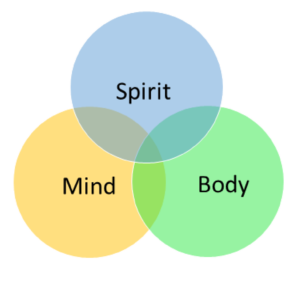
Fitness extends far beyond physical exertion and dietary choices; recovery and mental well-being are integral components of a holistic approach. Adequate rest and sleep allow your body to repair and rebuild muscle tissue, preventing overtraining and reducing the risk of injury. Chronic stress can negatively impact hormone levels, immune function, and overall health, hindering fitness progress. Incorporating stress-reducing techniques such as meditation, yoga, or spending time in nature can significantly enhance recovery and improve mental clarity. Recognizing the importance of mental and emotional well-being is crucial for sustainable fitness success. Resources available at sites like https://olimpcom-online.org.kz often acknowledge that it is not just about physical strength, but mental fortitude.
The Importance of Consistency and Long-Term Lifestyle Changes
Ultimately, achieving lasting fitness results requires consistent effort and a commitment to long-term lifestyle changes. Crash diets and sporadic workout routines rarely produce sustainable results. Instead, focus on building healthy habits that you can maintain over time. This includes incorporating regular physical activity into your daily routine, making mindful food choices, prioritizing sleep, and managing stress. Finding activities that you enjoy will increase your motivation and make it easier to stick to your fitness goals. Remember that progress is not always linear and setbacks are inevitable. The key is to stay committed to the process, learn from your mistakes, and celebrate your accomplishments along the way. Embracing a fitness lifestyle is not just about achieving a specific physique; it's about cultivating a healthier, happier, and more fulfilling life.
Elevating Performance Through Personalized Strategies
While general fitness advice serves as a valuable starting point, maximizing performance often requires a personalized approach. Factors such as genetics, body composition, and individual metabolic rates influence how effectively a person responds to different training and nutrition strategies. Genetic testing can provide insights into predispositions related to muscle growth, recovery, and nutrient metabolism, allowing for the development of a highly tailored plan. Similarly, advanced body composition analysis can help determine optimal macronutrient ratios and track progress more accurately. The future of fitness lies in leveraging technology and data to create bespoke solutions that cater to the unique needs of each individual. Understanding that optimal results are rarely achieved through a standardized program is important for continuous improvement and sustained success.
The integration of wearable technology, like fitness trackers and smartwatches, further facilitates personalized strategies by providing real-time data on activity levels, sleep patterns, and heart rate variability. This data can be used to refine training intensity, optimize recovery, and identify potential health concerns. The ability to continuously monitor and analyze individual responses to different interventions empowers individuals to take ownership of their fitness journey and make informed decisions that align with their specific goals. Partnering with qualified professionals who can interpret this data and provide personalized guidance is crucial for harnessing the full potential of these technologies.
