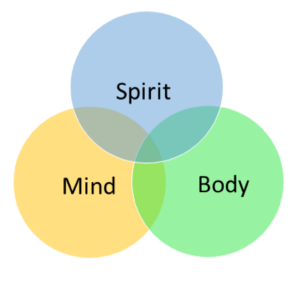

- Delicate moments captured within https://justhappytears.com offering comfort and lasting emotional support
- Understanding the Emotional Rollercoaster
- The Power of Validation
- Building Resilience Through Shared Experience
- The Role of Online Support Groups
- Navigating Grief and Loss
- Strategies for Coping with Loss
- The Role of Self-Compassion in Emotional Wellbeing
Delicate moments captured within https://justhappytears.com offering comfort and lasting emotional support
Navigating life’s complexities often leads to moments of profound sadness and emotional vulnerability. It’s during these times that individuals seek solace and understanding, a connection to something that validates their feelings and reminds them they aren't alone. Many find comfort in shared experiences and recognizing that grief, loss, and heartache are universal parts of the human condition. The digital landscape offers a unique space for this kind of support, and platforms like https://justhappytears.com are dedicated to providing exactly that – a haven for emotional wellbeing. This resource understands the delicate nature of difficult feelings and aims to offer a compassionate presence through carefully curated content and a supportive community.
The idea behind platforms centered around emotional support isn't simply to eliminate sadness, but rather to normalize it, and to help individuals process their feelings in a healthy way. It’s about acknowledging that vulnerability is strength, and that seeking help is a sign of self-awareness, not weakness. Many people struggle with expressing their emotions, often feeling societal pressure to remain stoic or “strong.” This can lead to emotional suppression, which ultimately hinders personal growth and overall wellbeing. Therefore, resources that promote open communication and emotional literacy are increasingly vital in today’s world. The goal is to help people acknowledge their pain, learn coping mechanisms, and ultimately, move forward with resilience.
Understanding the Emotional Rollercoaster
Life is rarely a smooth trajectory; it’s more akin to a rollercoaster with exhilarating highs and terrifying dips. Emotional wellbeing is about learning to navigate these fluctuations, to brace for the inevitable downturns, and to appreciate the moments of joy. It's not about avoiding negative emotions altogether – that's simply unrealistic and even harmful – but about developing the tools to manage them effectively. This involves understanding the root causes of our emotions, identifying unhealthy coping mechanisms, and cultivating resilience in the face of adversity. Many factors can influence our emotional state, including relationships, work stress, financial worries, and even global events. Recognizing these influences allows us to approach our feelings with greater self-compassion and understanding. It’s a process of continuous self-discovery and growth.
The Power of Validation
One of the most powerful tools in emotional wellbeing is validation. When we feel understood and acknowledged, our emotional pain lessens. Often, simply having someone listen without judgment can be profoundly healing. Validation doesn't mean agreeing with someone's perspective or minimizing their feelings; it simply means acknowledging that their experience is real and valid. In the context of online communities, this can take the form of supportive comments, shared stories, and a sense of belonging. Knowing that others have gone through similar struggles can provide a powerful sense of hope and resilience. It’s a reminder that we’re not alone in our pain, and that healing is possible. This concept is central to the ethos of platforms like https://justhappytears.com, where empathy and understanding are paramount.
| Emotional Trigger | Common Response | Healthy Coping Mechanism | Potential Outcome |
|---|---|---|---|
| Relationship Conflict | Withdrawal, Anger | Open Communication, Compromise | Stronger Relationship |
| Workplace Stress | Anxiety, Irritability | Time Management, Seeking Support | Reduced Stress, Increased Productivity |
| Financial Worries | Fear, Desperation | Budgeting, Seeking Advice | Financial Stability, Reduced Anxiety |
| Loss of a Loved One | Grief, Sadness | Allowing oneself to grieve, Seeking Support | Healthy Grief Processing, Acceptance |
The table above illustrates just a few examples of how emotional triggers can manifest and how to respond in a healthy manner. It's vital to remember that emotional wellbeing is a dynamic process, and there will be times when we struggle. The key is to be patient with ourselves, to practice self-compassion, and to seek support when needed.
Building Resilience Through Shared Experience
Resilience isn't an innate trait; it's a skill that can be cultivated through experience and practice. One of the most effective ways to build resilience is through connecting with others who understand what you're going through. Sharing stories of hardship and triumph can be incredibly empowering, providing hope and inspiration. Online communities, like those fostered by https://justhappytears.com, offer a unique space for this kind of connection. These platforms allow individuals to share their experiences anonymously or openly, depending on their comfort level, and to receive support from others who have walked a similar path. This sense of community can be a lifeline for those who are struggling with difficult emotions.
The Role of Online Support Groups
Online support groups provide a safe and accessible way to connect with others who share similar experiences. They offer a space to vent frustrations, to ask for advice, and to receive encouragement. The anonymity offered by many online platforms can be particularly beneficial for those who are hesitant to share their feelings in person. However, it's important to choose online support groups carefully. Look for groups that are moderated by qualified professionals and that promote a positive and supportive environment. Avoid groups that are judgmental or that offer unsolicited advice. The goal is to find a community where you feel safe, understood, and empowered to navigate your emotional challenges. It is crucial to remember that online support is a supplement, not a replacement, for professional help when needed.
- Focus on building self-compassion and practicing self-care.
- Identify your emotional triggers and develop healthy coping mechanisms.
- Seek support from trusted friends, family, or a therapist.
- Limit exposure to negative news and social media content.
- Practice mindfulness and gratitude.
Cultivating these habits can significantly contribute to your overall emotional wellbeing. Remember, building resilience is a journey, not a destination. It requires consistent effort and a willingness to learn and grow.
Navigating Grief and Loss
Grief is a natural response to loss, and it manifests differently for everyone. There’s no “right” way to grieve, and there’s no set timeline for healing. It’s a complex process that can involve a range of emotions, including sadness, anger, denial, and acceptance. Ignoring or suppressing these emotions can prolong the grieving process and lead to more significant emotional distress. Allowing yourself to feel your grief, to cry, to rage, and to simply be present with your pain is essential for healing. Support groups, such as those available on platforms like https://justhappytears.com, can provide a valuable space for processing grief and connecting with others who understand what you're going through. Losing someone is arguably the most profoundly painful experience in human life.
Strategies for Coping with Loss
Coping with loss is a deeply personal process. Some people find solace in journaling, while others prefer to spend time in nature. Some find comfort in religious or spiritual practices, while others seek professional counseling. It’s important to experiment with different coping strategies and to find what works best for you. Don’t be afraid to ask for help from friends and family. Allowing others to support you is not a sign of weakness; it’s a sign of strength. Remember that healing takes time, and there will be setbacks along the way. Be patient with yourself and celebrate small victories. Acknowledging your progress, no matter how small, can help you stay motivated and hopeful. Furthermore, engaging in activities that bring you joy, even if it’s just for a few minutes each day, can help lift your spirits and remind you of the beauty that still exists in the world.
- Acknowledge your feelings without judgment.
- Allow yourself to grieve in your own way.
- Seek support from trusted friends, family, or a therapist.
- Engage in self-care activities that bring you comfort and joy.
- Practice mindfulness and focus on the present moment.
These are actionable steps that can aid in navigating the complex journey of grief. Each individual’s experience is unique, and the importance of self-compassion during this time cannot be overstated.
The Role of Self-Compassion in Emotional Wellbeing
Self-compassion is often overlooked, yet it’s arguably one of the most important components of emotional wellbeing. It’s about treating yourself with the same kindness, care, and understanding that you would offer to a friend. We often hold ourselves to impossibly high standards and are quick to criticize ourselves for our perceived failures. Self-compassion involves challenging these self-critical thoughts and replacing them with more supportive and encouraging ones. It's understanding that everyone makes mistakes, that everyone experiences setbacks, and that it’s okay to not be perfect. This is particularly vital when navigating difficult life experiences and the inevitable emotional turmoil that accompanies them. Platforms such as https://justhappytears.com actively promote self-compassion as a key component of emotional resilience.
Developing self-compassion is a practice that takes time and effort, but the rewards are immeasurable. It allows us to navigate life's challenges with greater grace, resilience, and self-acceptance. It is about recognizing that we are all human, all flawed, and all deserving of kindness and compassion, especially from ourselves. Ultimately, fostering self-compassion is a powerful step towards building a life filled with emotional wellbeing and lasting happiness.

No comment yet, add your voice below!